Blog

Blog

Understanding Reference Ranges: How Are They Established and Why Do They Matter?

When you run testing for a patient, you get results or numbers. How do you interpret those numbers? You use reference ranges to help define normal versus abnormal results. This is why reference ranges are so important. The way reference ranges are established is even more important. Have you ever wondered where these numbers actually come from? Why might the same test have different reference ranges at different laboratories? Does a result outside the reference range automatically mean something is wrong with the patient? Reference ranges are more than just numbers printed beside a patient’s results. They are an important part of laboratory testing, helping healthcare providers interpret results and make informed decisions about patient care. What Are Reference Ranges? A reference range, also known as a reference interval, is a set of values used to help determine whether a patient’s laboratory result falls within an expected range. Reference intervals are typically established by collecting and analyzing samples from a group of individuals considered to be healthy. The results are then evaluated statistically to determine the range of values expected for that population. Most conventional reference intervals represent the central 95% of values from a selected reference population (ASCLS, 2019; Centra Diagnostics, n.d.). What does that actually mean? It means that approximately 95% of healthy individuals in that population are expected to have results within the reference interval. The remaining 5% may have results outside the interval, even though they are healthy. Reference intervals only provide a starting point for interpreting results. They should always be considered alongside the patient’s clinical history, symptoms, and other laboratory findings (Centra Diagnostics, n.d.). How Are Reference Ranges Established? Reference intervals are not randomly selected. Establishing them involves several steps, including selecting an appropriate reference population, collecting and analyzing specimens, and using statistical methods to determine the expected distribution of results (Higgins, 2009). Step 1: Selecting a Reference Population The first step is selecting individuals who represent the population for which the reference interval will be used. These individuals are generally considered healthy based on predetermined inclusion and exclusion criteria (NIH/PMC, n.d.). Age, sex, pregnancy status, and other physiological characteristics may influence the results. Depending on the analyte, separate reference intervals may be necessary for different patient populations. For example, think about hemoglobin. The expected values for a newborn differ from those for an adult. Using the same reference interval for both populations could lead to incorrect interpretation (Centra Diagnostics, n.d.). This is why selecting the appropriate reference population is such an important part of the process. Step 2: Collecting and Testing Samples Once the reference population has been selected, specimens are collected and analyzed. For the traditional nonparametric method, guidelines generally recommend collecting samples from at least 120 reference individuals to establish a reference interval. This sample size allows laboratories to estimate the central 95% of results and calculate confidence limits around the upper and lower reference limits (Higgins, 2009; NIH/PMC, n.d.). Preanalytical variables must also be controlled. These include: For example, cortisol concentrations naturally fluctuate throughout the day. If specimens are collected at inconsistent times, those differences could influence the distribution of results. Standardizing collection and testing conditions helps ensure that the resulting reference interval reflects the intended population rather than avoidable variations in specimen collection or handling. Step 3: Using Statistics to Establish the Reference Interval After the specimens have been analyzed, the laboratory uses statistical methods to determine the reference interval. One commonly recommended approach is the nonparametric method. With this approach, the laboratory arranges the results from lowest to highest and identifies the values corresponding to the 2.5th and 97.5th percentiles. These two values become the lower and upper reference limits (Higgins, 2009; NIH/PMC, n.d.). Imagine you have laboratory results from 120 healthy individuals. After arranging the results from lowest to highest, you identify the values that represent the central 95% of the population. Approximately 2.5% of the values fall below the lower limit, and another 2.5% fall above the upper limit. The values between those limits form the reference interval. It is important to remember that this statistical process identifies what is typical for the selected population, not necessarily what is ideal for every patient’s health. Establishing vs. Verifying Reference Intervals: What’s the Difference? Not every laboratory establishes its own reference intervals. Establishing reference intervals requires considerable time, resources, and access to an appropriate reference population. Many laboratories adopt reference intervals provided by manufacturers or established through published studies. This does not mean laboratories should automatically accept those intervals without proper evaluation. This is where reference interval verification comes in. Establishing a reference interval means generating the data needed to determine the limits. Verifying a reference interval means evaluating whether an existing interval is appropriate for the laboratory’s method and patient population. According to the CLSI approach discussed by NIH, a laboratory can use a verification procedure involving 20 appropriately selected reference individuals. If no more than two of the 20 results fall outside the proposed reference interval, the interval may be considered acceptable under that procedure. If three or more results fall outside the interval, further investigation and additional data may be necessary. This is a more practical way to evaluate existing reference intervals without conducting a new study. Why Do Reference Ranges Differ Between Laboratories? Have you ever noticed that two laboratories may report slightly different reference intervals for the same test? This does not mean one laboratory is wrong. Reference intervals can vary for several reasons. 1. Testing methods and instrumentation Different analyzers, reagents, and analytical methods may produce slightly different results. Therefore, a reference interval established using one method may not always be appropriate for another. 2. Patient populations The population used to establish a reference interval matters. Age, sex, pregnancy, and other physiological characteristics may influence expected laboratory values. 3. Specimen type Serum, plasma, and whole blood are not always interchangeable. Depending on the analyte, the specimen type can influence the measured result and the reference interval. 4. Preanalytical variables Fasting status,

Blog

A Root Cause Analysis Discussion

Author: Darryl Elzie, PsyD, MHA, MLS(ASCP), CQA(ASQ) Errors Are Technical Events and Organizational Signals Clinical laboratory errors are often described as technical failures: a specimen was mislabeled,quality control was not reviewed, an instrument alarm was overlooked, or an incorrect resultwas released. For laboratory management, however, each event also represents informationabout the system in which employees work. Workload, staffing, communication, technology,procedure design, supervision, competing priorities, and workplace culture all influencewhether a process is performed reliably. Laboratory medicine literature has long shown that risk extends across the entire testingprocess rather than remaining confined to the analytical phase. Preanalytical and postanalyticalvulnerabilities frequently involve handoffs, communication, identification, data entry, resultinterpretation, and other human-dependent processes. These are precisely the areas in whichmanagement systems and behavioral conditions have substantial influence. 1 A developed corrective-action program, therefore, does more than restore normal operations.It identifies why the event occurred, why existing controls did not prevent or detect it, andwhat changes will make the process more reliable over time. This expectation is also reflectedin CLIA requirements for corrective-action procedures and for evaluating whether correctiveactions were effective and whether policies must be revised to prevent recurrence. 2,3 This isthe core of truly continuous quality improvement. Correction Is Not Corrective Action A correction addresses the immediate condition. The laboratory may recollect a specimen,amend a result, repeat a quality-control run, remove expired material, or quarantine anaffected product. These actions may be necessary to protect patients/donors and restoreoperations, but they do not necessarily reduce the probability of recurrence. Corrective action addresses the cause of the nonconformity. Root cause analysis is thestructured process used to identify the technical, behavioral, environmental, and organizationalfactors that permitted the event to occur. The distinction matters because laboratories areoften under pressure to resume testing quickly. Once the immediate problem has beenresolved, leaders may experience a premature sense of closure. Without disciplined follow-through, the investigation can become a documentation exercise rather than a mechanism fororganizational learning. (However, it should be noted that accurate and completedocumentation is always required.) Why “Human Error” Is an Incomplete Root Cause Human error is often presented as a causal factor, but it usually describes what happenedrather than why. Reason’s systems approach distinguishes between a person-focused response,which concentrates on lapses, inattention, or carelessness, and a system-focused response,which examines the conditions under which people work. The systems approach does notremove accountability; it recognizes that predictable human limitations must be consideredwhen designing safe processes. 4 Attention declines during repetitive work. Working memory is disrupted by interruptions.Fatigue impairs judgment. Confirmation bias can cause staff to interpret information in a waythat supports an initial assumption. Poorly designed screens, excessive alarms, similar labels,and complex procedures increase cognitive load. When a critical process depends primarily onvigilance, memory, and perfect compliance, the system has been designed with limitedtolerance for normal human variability. For this reason, instructions to “be more careful” are weak corrective actions. A strongerresponse will include real change, such as barcode verification, bedside label printing,automated quality-control lockouts, hard stops, simplified workflows, physical separation oflook-alike materials, or independent review of high-risk steps. Training is appropriate when agenuine knowledge or competency deficit is demonstrated, but it should not be used tocompensate for poor process design. Psychological Safety Determines What Leaders Learn Root cause analysis is only as strong as the information available to the investigation team. Staffare more likely to report errors, near misses, uncertainty, and unsafe workarounds when theybelieve they can speak honestly without automatic humiliation, blame, or punishment.Psychological safety is the shared belief that interpersonal risk-taking, such as admitting amistake, challenging a decision, or raising a concern, is acceptable within the team. 5 Research in healthcare has associated psychological safety with speaking up, learning behavior,and willingness to report errors, although recent reviews also reveal significant complexity inthe relationships between reporting rates and safety outcomes. A higher number of reportsmay reflect a less safe environment, or a healthier reporting culture that makes existing risksvisible. Laboratory managers should therefore avoid judging culture solely by the number ofevents reported. 6-9 Leadership response is pivotal. When managers react with anger, public criticism, or immediatedisciplinary action, staff learn that reporting carries personal risk, leading to events beingminimized, reframed, or entirely unreported. Near misses may often completely disappear. Conversely, leaders who begin with curiosity are more likely to obtain an accurate account ofwhat really happened. Use Just Culture Without Eliminating Accountability A just-culture framework helps managers differentiate human error, at-risk behavior, andreckless behavior. Human error may require process redesign, coaching, or stronger barriers.At-risk behavior requires understanding why a shortcut appeared reasonable, efficient, andacceptable. Reckless behavior requires disciplinary action when an individual knowinglydisregards a substantial and unjustifiable risk. The distinction prevents two management failures: punishing every deviation as misconduct orexcusing every action as a system problem. Effective accountability examines the behavior, theavailable choices, the staff’s understanding of risk, and how the organization has responded tocomparable behavior in the past. Consistency is essential. Staff need to believe consequencesare not dependent on hierarchy, popularity, or the outcome of the event. Conduct Investigations as Learning Processes The immediate management priority is containment. Potentially affected specimens, reagents,records, results, or blood products should be identified and controlled. The laboratory mustevaluate patient or product impact, preserve electronic and paper evidence, notify appropriateleadership, and define the preliminary scope. The problem statement should describe what occurred without assuming a cause. “Staff failedto follow the procedure,” prematurely closes the inquiry. A stronger statement identifies whathappened, what should have happened, when and where the event occurred, how it wasdetected, and the actual or potential impact. Investigation teams should review procedures, training records, competency assessments,instrument data, audit trails, staffing, workload, environmental conditions, previous events, andsystem interfaces. Direct observation is particularly important because written proceduresdescribe work as imagined, while staff may perform work differently in response to realoperating conditions. Frontline staff should be included as subject-matter experts. Interviews should be structured asinformation-gathering conversations rather than interrogations. Questions such as “Whatnormally happens at this step?”, “What made the correct action difficult?” and “How is thiswork completed during high-volume periods?” are more likely to expose meaningful systemweaknesses than asking, “Why didn’t

Blog, Inventory Management

From Paper Checklists to Complete Traceability: Simplifying Inventory for Mobile Blood Drives

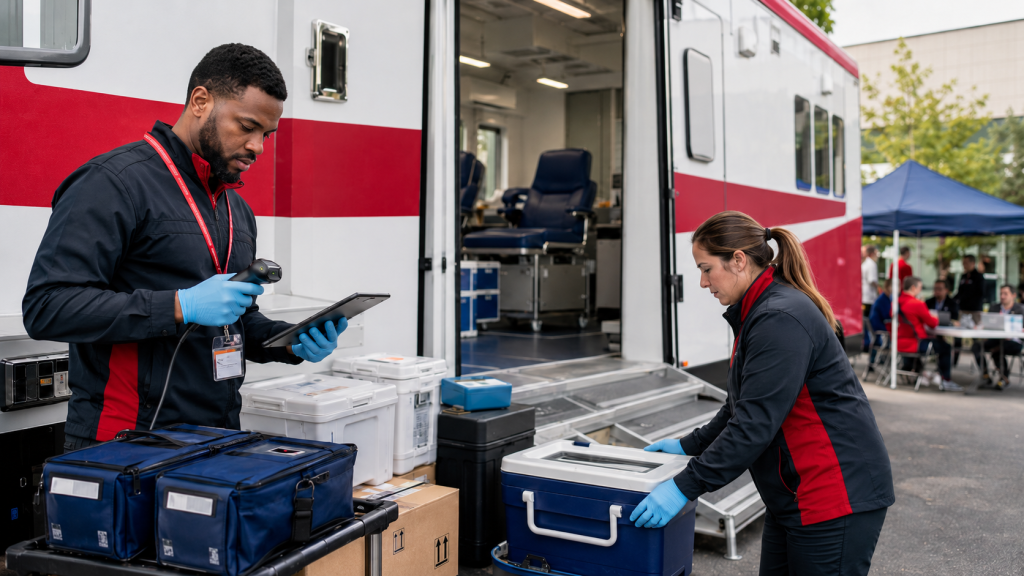
Mobile blood drives are essential for making blood donation more accessible to communities. However, behind every successful drive is a complex logistical process involving supplies, equipment, transportation units, staff, and inventory. For many blood centers, managing this process is still highly manual and inefficient. Before each drive, staff must determine which supplies and devices are needed, prepare handwritten packing lists, load transportation units, and document what is being sent. Once the drive is complete, the team must determine what was used, what remains, what was returned, and whether anything is missing or damaged. When this information is recorded on paper forms or disconnected spreadsheets, it can be difficult to answer even basic questions: Without a centralized system, blood centers may experience inventory discrepancies, limited visibility, unnecessary manual work, and difficulty tracing supplies and equipment throughout the mobile drive process. A Mobile Drive Workflow Built for Blood Centers Lab Symplified’s Mobile Drive functionality was designed specifically to help blood centers manage the complete movement of supplies and devices associated with mobile blood drives. Instead of relying on handwritten forms and manual reconciliation, blood centers can manage the workflow digitally—from initial planning through final return and closure. The process includes seven connected stages: Plan. Pack. Dispatch. Receive. Reconcile. Return. Close. Each stage creates a clear record of what happened, who completed the action, and where the supplies and equipment are within the process. Plan and Prepare the Drive The process begins when an administrator creates the mobile drive. During this stage, the administrator can organize the drive, select the required supplies and devices, and manage the transportation units that will carry them. The drive remains in a draft status while the team prepares and adjusts the required inventory. This provides a centralized packing plan instead of requiring staff to create a new handwritten list for every event. Administrators can review what is being prepared and make changes before the drive is finalized. Pack Supplies and Devices with Greater Control Once the requirements have been confirmed, the administrator packs the supplies, equipment, and devices needed for the drive. The system records what is being sent, creating a digital reference that can later be compared against what the field team receives and returns. After packing is complete, the drive moves to a packed status, indicating that the supplies and devices are ready to be dispatched and received by the field team. This creates a clear handoff between the staff preparing the drive and the staff conducting it. Confirm What Arrived at the Mobile Drive When the field team receives the shipment, they can confirm what was delivered. This is an important control point. Instead of assuming that everything packed at the blood center arrived at the mobile location, field staff can verify the actual supplies and devices received. Any discrepancies, missing items, or other issues can be documented at the time of receipt. This helps identify problems earlier rather than discovering them after the drive has ended. Once receipt is confirmed, the drive status is updated to received. Reconcile Inventory at the End of the Drive At the end of the mobile drive, field staff can document what happened to the inventory. They can record what was used, what remains, what should be returned, and whether there were any issues that require follow-up. This digital reconciliation gives the blood center a much clearer comparison between: Once this process is completed, the drive moves to a reconciled status. Administrators can then review the reconciliation and complete the appropriate return actions. Return Equipment and Close the Drive After the supplies and devices return to the blood center, the administrator can confirm the returned items, address discrepancies, and complete the drive. Closing the drive is more than an administrative step. It ensures that returned devices are properly reflected as available and that the inventory record remains accurate. Until the drive is closed, it remains visible as an active drive. Once all return actions are completed, the administrator closes the drive, and it moves into the historical record. This provides a complete history that can be reviewed later without leaving old or completed drives mixed with current activities. Clear Responsibilities for Administrators and Field Teams The Mobile Drive workflow separates responsibilities based on each user’s role. Mobile drive administrators are responsible for setting up the drive, managing transportation units and devices, packing supplies, processing returns, resolving discrepancies, and closing the drive. Field staff and team leads are responsible for confirming what they received, documenting what was used or left over, identifying what should be returned, and recording relevant notes or issues. This role-based approach helps create accountability without requiring every user to manage the entire process. Better Visibility from Departure to Return The status of each drive provides an immediate picture of where it is in the workflow: These statuses allow administrators to quickly identify which drives are still being prepared, which are currently active, which require reconciliation, and which are ready to be closed. Creating a Complete Audit Trail Every mobile drive involves multiple handoffs between people, locations, and transportation units. When those handoffs are documented manually, records can be incomplete, difficult to locate, or open to interpretation. A digital workflow creates a traceable history of the drive, including what was packed, what was received, what was used, what was returned, and which users completed each step. This can help blood centers strengthen operational oversight, investigate discrepancies, maintain more accurate device availability, and prepare documentation more efficiently when records are needed. Moving Beyond Handwritten Mobile Drive Forms Mobile blood drives will always require careful preparation and coordination. However, managing them should not depend on handwritten lists, manual comparisons, and disconnected records. Lab Symplified’s Mobile Drive functionality brings the entire process into one controlled workflow designed around how blood centers operate. By connecting planning, packing, field receipt, reconciliation, returns, and drive closure, blood centers gain clearer visibility into their supplies and devices throughout the entire journey. The result is a more organized, traceable, and accountable mobile drive

Blog

The Science Behind Delta Checks: How Laboratories Detect Errors Before They Reach the Patient

By Amari Henderson, MBA, MLS (ASCP) Imagine you’re reviewing the morning laboratory results when one patient’s potassium immediately catches your attention. Yesterday, their potassium was 4.1 mmol/L. Today, it’s 7.0 mmol/L. Your first thought probably isn’t to report the result right away. You wonder if the patient suddenly developed severe hyperkalemia overnight. Was the specimen mislabeled? Could the sample be hemolyzed? Was there an issue during collection? Situations like this are exactly why delta checks were created. Before laboratory results are released to healthcare providers, clinical laboratories use verification tools to determine whether an unexpected change deserves a closer look. A delta check is defined as a post-analytical verification tool used to compare the difference between a patient’s current and previous laboratory results against a predefined limit. This patient-specific quality tool helps identify potential errors at the individual patient level. If the difference exceeds the laboratory’s established threshold, the result is flagged for review before it is reported. The concept of delta checks was first introduced by Dr. Donald A.B. Lindberg in 1967 as laboratory computer systems and informatics began to evolve. By 1974, delta checks had become an established patient-based quality control tool and have remained an important safeguard for detecting potential errors before results are reported. Today, most laboratory information systems (LIS) and autoverification workflows incorporate delta check rules to automatically identify results that may require additional investigation before they are released. Not only are delta checks associated with specimen misidentification, they also help identify specimen integrity issues such as intravenous (IV) fluid contamination, incorrect collection tubes, or delayed specimen processing. Selecting effective delta check rules has become more important for maintaining patient safety as well as operational efficiency. Delta checks are based on the simple fact that most lab values do not change dramatically over a short period of time unless there is a biological or clinical reason. The concept of homeostasis proves that the body strives to maintain a stable internal environment. This is why many analytes remain stable within the same individual from day to day. One of the main scientific concepts behind delta checks is biological variation. The CLSI EP33 guideline describes biological variation as having two components. Within-subject biological variation (CVI) represents the normal day-to-day fluctuations around an individual’s typical laboratory value. Between-subject biological variation (CVG) refers to the normal differences in laboratory values between different people. This explains why two healthy patients may have different baseline creatinine values while each person’s creatinine remains relatively stable over time. Analytes with low within-subject biological variation are excellent candidates for delta checks because changes are easier to recognize. According to the CLSI EP33 guideline, the most effective delta check analytes are also ordered frequently. Frequent testing allows for meaningful comparisons between current and previous results. Hemoglobin, hematocrit, sodium, potassium, platelet count, and white blood cell count are all examples of analytes that are perfect for delta checks. Every laboratory serves a different patient population and uses different instrumentation, workflows, and testing practices. This is why delta check limits should be established using the laboratory’s own patient data whenever possible rather than relying solely on published recommendations. Laboratories are encouraged to periodically review and change their delta check rules to improve error detection while minimizing unnecessary investigations. Thresholds that work well in one hospital could lead to excessive false alerts in another hospital or patient population. A failed delta check does not automatically mean a laboratory error has occurred. It just means that the result deserves a closer look. Laboratory professionals should review previous patient results, patient history, specimen integrity, collection information, instrument quality controls, and instrument flags. Only after this investigation is complete can the laboratory determine whether the result reflects a true clinical change or whether additional action is necessary. Delta checks are far more than just a comparison between two results. They combine biological variation, analytical performance, laboratory quality management, and clinical judgment into one patient safety tool. Delta checks provide laboratories with an additional layer of quality assurance before results are reported. More than 50 years later, delta checks remain one of the most effective patient-based quality tools for helping laboratories detect potential errors, improve result accuracy, and protect patients. Sources Asirvatham JR, Moses V, Bjornson L. Errors in potassium measurement: a laboratory perspective for the clinician. N Am J Med Sci. 2013 Apr;5(4):255-9. doi: 10.4103/1947-2714.110426. PMID: 23724399; PMCID: PMC3662091. Clinical and Laboratory Standards Institute (CLSI). Use of Delta Checks in the Medical Laboratory; Approved Guideline, 2nd ed. CLSI document EP33. Wayne: CLSI; 2023. Markus, C., Tan, R. Z., & Loh, T. P. (2021). Evidence-based approach to setting delta check rules. Critical Reviews in Clinical Laboratory Sciences, 58(1), 49–59. https://doi.org/10.1080/10408363.2020.1800585 Straseski, J. A. (n.d.). The delta check in action: Causes and consequences of discrepant laboratory results. ARUP Laboratories. https://arup.utah.edu/education/deltaChecks.php/ Yenice, S. (2017, October 22). Use of delta checks: A requisite method in quality control [Conference presentation]. Satellite Educational Workshop on Intelligent Clinical Laboratory Management: Impacts on Quality System Improvement, Durban, South Africa. International Federation of Clinical Chemistry and Laboratory Medicine (IFCC)

Blog, Electronic Log, Lab Inspections

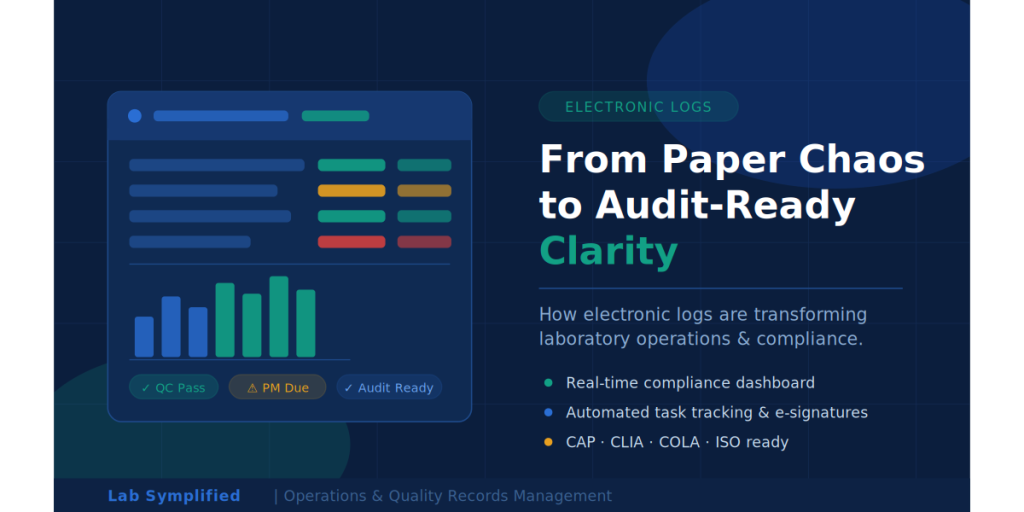
From Paper Chaos to Audit-Ready Clarity: How Electronic Logs Are Transforming Laboratory Operations

Running a laboratory is one of the most operationally complex jobs in healthcare. On any given day, your team is simultaneously managing instrument maintenance, quality control checks, temperature monitoring, reagent validations, staff documentation, proficiency testing, corrective actions, and shift handoffs — and that’s before a single patient result goes out the door. Now ask yourself: where does all of that get recorded? If the honest answer involves a binder on the bench, a shared spreadsheet someone updates (when they remember), or notes passed between shifts, you’re not alone. But you are carrying a risk you don’t have to. The Hidden Cost of Scattered Lab Documentation Labs don’t fail audits because they’re doing bad science. They fail audits and experience near-misses because documentation systems can’t keep up with operational reality. When logs live across paper notebooks, disconnected spreadsheets, and informal workarounds, a predictable set of problems follows: The problem isn’t your team’s diligence. It’s that traditional documentation tools were never designed to handle the volume, complexity, and compliance demands of a modern laboratory. What “Audit-Ready” Actually Looks Like Most labs think of audit readiness as something you sprint toward in the weeks before an inspection. The reality is that true compliance readiness is a daily operational state — and it’s only achievable when your documentation system is built to support it, not fight against it. An audit-ready lab is one where: That’s the operational standard Lab Symplified’s electronic log system is designed to make achievable — not just at inspection time, but every single day. A Centralized Platform for Every Moving Part Lab Symplified replaces fragmented documentation with a single, structured electronic records environment built specifically for how laboratories operate. Here’s what that looks like in practice: One Dashboard. Total Operational Visibility. Instead of reacting to problems after they occur, laboratory leaders can identify risks before they become audit findings. Standardized Workflows Daily QC, weekly maintenance, monthly calibrations, safety checks, and operational tasks can all follow standardized workflows. Built-in schedules, reminders, timestamps, and electronic signatures help ensure consistency regardless of shift, department, or location. Complete Instrument Lifecycle Tracking  Every instrument has a story. Electronic logs make it possible to maintain complete records for: When inspectors ask for documentation, records can be retrieved in seconds instead of hours. Stronger CAPA and Risk Management  Corrective actions are only effective when they are documented, assigned, tracked, and verified. With configurable CAPA workflows, laboratories can: The result is a stronger quality management system and reduced operational risk. Audit Readiness Every Day One of the greatest benefits of electronic logs is that audit preparation becomes part of everyday operations. Instead of scrambling before an inspection, laboratories maintain: Every task, check, review, and approval becomes part of a permanent, inspection-ready record. Digital Shift Reports That Preserve Continuity Shift handoffs are one of the highest-risk moments in lab operations. Lab Symplified’s digital shift report captures summaries, outstanding issues, instrument updates, quality events, and staffing context in a structured format,  so every piece of critical information carries forward, and nothing gets lost between teams. Proficiency Testing Management  Track PT events from the moment samples arrive through submission and result review. Assign tests with automatic staff notifications, log deadlines and instructions, upload supporting documents, and maintain a complete PT history with full audit trail. No missed deadlines, no ownership confusion. Alerts and Notifications That Keep Issues From Becoming Findings Configurable alerts flag missed tasks, overdue activities, equipment failures, and service events before they escalate. Teams get the visibility they need across shifts without requiring constant manual oversight. Reporting and Operational Insights  Without Manual Effort Real-time compliance status reports, equipment maintenance histories, task completion rates, and trend analysis are all available without anyone compiling a spreadsheet. Leadership gets the operational visibility to spot gaps and optimize workflows. Compliance teams get the documentation they need without the scramble. Who This Is Built For Lab Symplified’s Operations & Quality Records Management is designed for: Any lab replacing paper logs and spreadsheets with a system built for modern compliance expectations The Bottom Line Your laboratory produces some of the most consequential data in medicine. The operational systems supporting that work should be held to the same standard. Lab Symplified transforms daily lab work into permanent, audit-ready records, not as an extra administrative burden, but as a natural byproduct of how your team already operates. Less time managing documentation. More time running a laboratory that’s always ready for whatever comes next. Ready to move from reactive documentation to controlled execution? Explore what Lab Symplified’s electronic log platform can do for your lab.

Blog

Building a More Engaged Laboratory Team in High-Stress Environments

By Amari Henderson, MBA, MLS (ASCP) The medical laboratory profession can, at times, feel complicated and overwhelming. If we are being honest, many healthcare professions can feel this way when you connect each piece of your job to a living, breathing patient who is relying on you to produce quality work. The major question is: how do you keep a team engaged in a high-stress work environment? Engaged employees tend to have an emotional connection to their organization, which leads to higher retention and lower turnover rates. Motivation is crucial to employee engagement and overall workplace satisfaction. Motivational levels are related to job satisfaction and are influenced by factors such as leadership style, financial compensation, and career development opportunities. Studies show that extrinsic motivational factors such as pay, can have a slightly greater influence than intrinsic motivation factors. This highlights the importance of ensuring staff are fairly compensated, consistently recognized, and provided with opportunities for advancement. Leadership plays a critical role in shaping engagement. Leaders who are supportive, transparent, and actively involved in the work environment contribute to higher motivation levels among employees. Immerse yourself in each part of the work environment, perform regular rounding, and take note of what can be improved. Staff do not want to feel like leadership is placing a temporary “bandage” over deeper issues while attempting to increase engagement but ignoring the major challenges they face daily. Focus on implementing real, measurable changes. Avoid making false promises or simply telling staff what they want to hear. Be open, honest, and accountable. A lack of recognition and reward can also contribute to low motivation and disengagement. Personalized messages acknowledging staff for their accomplishments can foster a sense of purpose and belonging. Make it a priority to show up to each department regularly and recognize what is going well. Nominate staff for facility-wide awards and highlight their contributions. It also helps to present opportunities for growth such as conferences, continuing education programs, and scholarship opportunities. These opportunities can enhance both their professional development and overall quality of life. Effective communication is another key driver of engagement. Promote and practice open, honest, and clear communication. Utilizing structured communication tools such as SBAR (Situation, Background, Assessment, Recommendation) can improve clarity and efficiency. Create opportunities for regular one-on-one meetings or check-ins, even if they are brief, to allow employees to voice concerns and feel heard. At the same time, be mindful of information overload, as excessive communication without clear direction can be counterproductive. Regularly gathering feedback from employees is essential to evaluating the effectiveness of engagement strategies and making necessary adjustments. Finally, provide respect and empathy in all interactions. An employee’s emotional state is closely tied to their level of motivation and engagement. When employees begin to withdraw or feel the need to conceal their identities, ideas, or concerns, they often become disengaged and defensive. This not only impacts morale but can also negatively affect job performance and overall team dynamics. Creating a psychologically safe environment where employees feel valued, respected, and supported can significantly improve both engagement and performance outcomes. References Karaferis, D., Aletras, V., Raikou, M., & Niakas, D. (2022). Factors Influencing Motivation and Work Engagement of Healthcare Professionals. Materia socio-medica, 34(3), 216–224. https://doi.org/10.5455/msm.2022.34.216-224 Osborne, S., & Hammoud, M. (2019). Effective Employee Engagement in the Workplace. International Journal of Applied Management and Technology, 16(1), 50–67. https://doi.org/10.5590/IJAMT.2017.16.1.04 Scholarworks, S., & Treadway, J. (2021). Trust-Building Strategies Laboratory Managers Use to Cultivate Trust-Building Strategies Laboratory Managers Use to Cultivate the Engagement of Laboratory Employees the Engagement of Laboratory Employees. https://scholarworks.waldenu.edu/cgi/viewcontent.cgi?article=12703&context=dissertations

Blog

What Laboratories Should Expect from the Latest CAP Accreditation Checklist Updates

By Amari Henderson, MBA, MLS (ASCP) The College of American Pathologists (CAP) continues to refine its Laboratory Accreditation Program checklists to reflect the evolving realities of modern laboratory medicine. The most recent checklist updates, released in late 2025 and implemented in laboratories during 2026 inspections, emphasize patient safety, digital workflows, and regulatory clarity. For laboratories preparing for inspections or reviewing internal policies, understanding these updates is essential. While many checklist revisions focus on clarifications and modernization rather than entirely new requirements, several changes will impact daily laboratory operations, documentation practices, and inspection readiness. Below is an overview of key themes and changes laboratories should be aware of. Expansion of Digital Pathology and Remote Data Assessment One of the most notable updates involves the expansion of guidance surrounding digital pathology and remote data assessment. As laboratories increasingly adopt digital imaging, remote slide review, and telepathology workflows, CAP has expanded checklist language to address these technologies more clearly. The Laboratory General checklist now explicitly includes digital pathology within its scope, emphasizing the need for laboratories to ensure proper validation, quality monitoring, and oversight of digital systems used for interpretation. Laboratories utilizing digital workflows should ensure they have documented: Additionally, recent regulatory clarification indicates that laboratories performing remote cytology image review outside of the primary laboratory location may require an additional CLIA certificate for those locations by March 2026. Laboratories should verify whether any remote interpretation workflows fall under this requirement. New Requirements for Patient Self-Collected Specimens Another significant update addresses the growing use of patient self-collection for diagnostic testing. CAP introduced a new Phase II checklist requirement addressing specimens collected directly by patients, either independently or with caregiver assistance. This change reflects the increasing use of self-collected specimens in molecular testing, infectious disease screening, and women’s health diagnostics. Laboratories offering tests that involve patient-collected samples must ensure they provide clear written instructions for specimen collection, including information on factors that may affect specimen quality and test reliability. Examples include: Laboratories should review patient instructions, educational materials, and specimen acceptance policies to ensure they align with CAP expectations. Regulatory Clarifications and Modernized Guidance Several checklist updates also aim to simplify compliance and align with recent CMS regulatory clarifications. CAP has revised certain checklist language to reduce ambiguity around personnel requirements, documentation expectations, and operational processes. These updates are intended to help laboratories interpret requirements more consistently while maintaining compliance with CLIA and other regulatory frameworks. While many of these revisions do not introduce entirely new requirements, they may still require laboratories to review existing procedures and ensure documentation reflects the updated language. Updates to Inspection and Accreditation Processes In addition to checklist updates, laboratories may notice operational changes related to CAP accreditation activities. For example: These adjustments are intended to streamline administrative processes while preserving the integrity of the accreditation program. What Laboratories Should Do Now To prepare for upcoming inspections and maintain compliance, laboratory leaders should consider the following steps: Review customized CAP checklistsEach laboratory receives a customized checklist based on its test menu and specialties. These checklists are available through CAP’s e-LAB Solutions Suite (ELSS). Evaluate digital pathology workflowsLaboratories using digital imaging, telepathology, or remote data interpretation should confirm that validation studies, training documentation, and quality monitoring procedures are in place. Review policies for patient-collected specimensIf your laboratory performs testing involving self-collected samples, ensure that clear written instructions and specimen acceptance criteria are documented. Maintain self-inspection documentationEven though the verification form may not need to be submitted routinely, laboratories must still perform interim self-inspections and retain records. Monitor regulatory updatesCAP frequently publishes regulatory updates and inspection guidance to help laboratories stay aligned with evolving standards. Key Takeaways for Laboratory Professionals The latest CAP checklist updates reflect broader shifts occurring across laboratory medicine including digital transformation, decentralized testing models, and increasing regulatory complexity. Rather than introducing sweeping new requirements, many of these updates focus on clarifying expectations and ensuring that laboratories maintain strong quality systems as testing environments evolve. For laboratory professionals, staying informed and proactively reviewing internal processes can make the difference between a smooth inspection and a stressful one. CAP-accredited laboratories should regularly review checklist updates, regulatory announcements, and educational resources to ensure continued compliance and readiness.

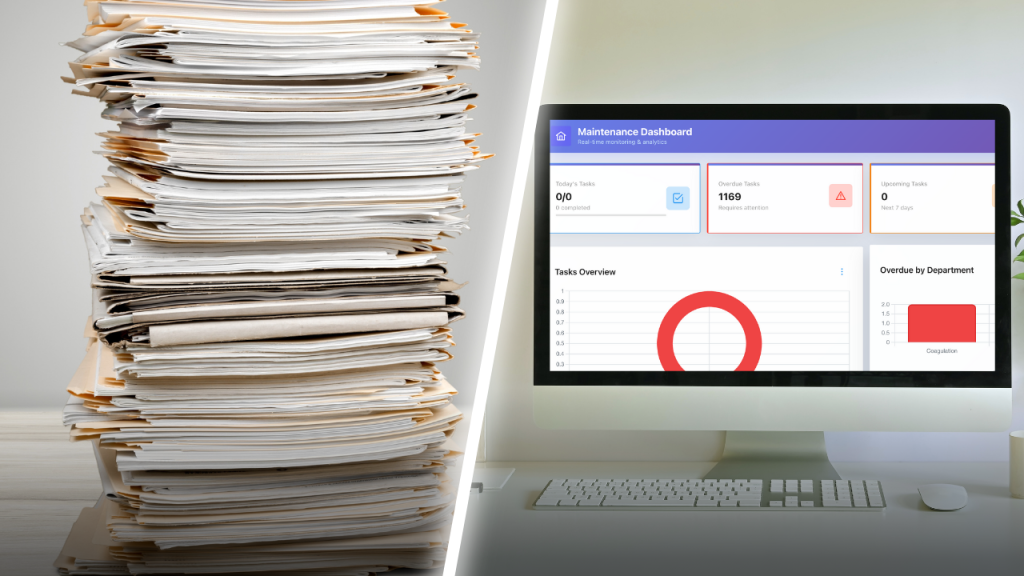
Stack of paper lab logs and binders beside a tablet displaying an electronic laboratory log management system in a clinical lab.
Blog, Electronic Log

Why Paper Logs And Spreadsheets Are Slowing Down Your Laboratory Operations

In many clinical laboratories, paper logs, binders, and scattered spreadsheets are still the backbone of daily operations. From maintenance logs and temperature monitoring to QC documentation and shift reports, labs rely on manual systems that feel “normal” because they’ve always been there. But what feels routine is often the hidden source of inefficiency, compliance risk, and operational stress. Let’s look at what’s really happening inside labs every day. When a Task Is Missed: The Domino Effect When a required task isn’t completed, the real work begins. First, someone has to discover it, often days late,r during a weekly or monthly review. Then comes the investigation: Supervisors start chasing technologists across shifts. Emails are sent. Conversations happen. If the task was critical, preventive maintenance, temperature monitoring, or QC verification, now a variance report must be initiated. What started as a missed check turns into: And in some cases, real risk to patient safety and quality operations. Manual systems don’t prevent missed tasks. They only help you discover them later. The Accountability Problem In laboratories, accountability becomes blurry. Paper logs and spreadsheets: Supervisors spend hours reviewing binders, signing off logs, and manually ensuring nothing was missed. In already short-staffed labs, this repetitive manual oversight consumes valuable time that could be spent on Quality improvement initiatives, Staff training, Operational optimization, and Process improvement. Instead, leadership time is spent chasing documentation. Electronic logs create time-stamped, attributable entries with audit trails and electronic sign-offs, eliminating the need to manually track down responsibility. Accountability becomes built into the workflow, not dependent on memory or follow-ups. Managing Scattered Logs Across Departments Most labs don’t have one log. They have dozens. And they’re often scattered: Managing and monitoring these records becomes a full-time effort. Lab Symplified Electronic Log centralizes equipment records, task management, operational records, quality records, digital shift reporting, and compliance documentation into one unified platform. Instead of flipping through binders, supervisors can: What once required hours can now take minutes. From Reactive to Controlled Execution The biggest difference between paper logs and electronic logs isn’t just digital storage. It’s control.Electronic logs: Instead of hoping nothing was missed, labs gain real-time oversight. Instead of chasing accountability, it’s built in. Instead of discovering compliance gaps weeks later, they’re prevented in real time. The Bottom Line Paper logs may feel simple. But beneath that simplicity lies hidden inefficiency, risk, and wasted time. Electronic log management isn’t just about going digital. It’s about building a laboratory system where accountability is clear, tasks are never missed, and audits are no longer stressful events. For labs ready to replace binders and spreadsheets with structured, audit-ready records, the future isn’t complicated. It’s simply organized.

Blog

Artificial Intelligence in the Clinical Laboratory

Darryl Elzie, PsyD, MHA, MLS (ASCP), CQA (ASQ)Amari Henderson, MBA, MLS (ASCP) Current Applications of Artificial Intelligence in the Clinical Laboratory Artificial intelligence (AI) has transitioned from an experimental concept to an operational reality in the clinical laboratory. Unlike traditional rule-based automation, AI systems utilize machine learning techniques to analyze data gathered from historical records, identifying patterns, detecting anomalies, and supporting clinical and operational decision-making (Dodig, 2025; Yahya, 2025). The primary goal of laboratory AI applications is to function as decision-support tools, augmenting professional judgment. At-a-Glance: Where AI Fits in the Clinical Laboratory Workflow Phase AI/ML Use Cases Data Inputs Operational Outcomes Pre-analytical Order checks, specimen routing, TAT prediction Orders, timestamps,logistics Reduced errors,improved TAT Analytical QC anomaly detection, drift detection, image analysis QC data, analyzer flags, images Earlier failure detection, increased throughput Post-analytical Autoverificationsupport, delta checks Results, prior values Consistent result release, proper notification Operations Workload forecasting,inventory optimization Volume and staffing data Improved throughput,waste reduction In the pre-analytical phase, AI tools are used to flag duplicate or inappropriate orders (an area of challenge for some medical providers), predict specimen transport delays, and optimize collection workflows. These systems are designed to reduce redraws and delays; however, they remain dependent on standardized front-end processes and human beings. AI cannot compensate for poor specimen identification or inconsistent acceptance criteria. Analytical applications represent one of the fastest-growing areas of AI adoption, especially in quality control. Machine learning models analyze multivariate QC data to identify subtle analyzer drift or reagent shifts that may precede traditional QC rule violations. In hematology, microbiology, and pathology, AI-driven image analysis supports cell classification, culture plate reading, and slide triage (Hanna et al., 2025; Sabelli, 2023). Analytical applications represent one of the fastest-growing areas of AI adoption, especially in quality control. Machine learning models analyze multivariate QC data to identify subtle analyzer drift or reagent shifts that may precede traditional QC rule violations. In hematology, microbiology, and pathology, AI-driven image analysis supports cell classification, culture plate reading, and slide triage (Hanna et al., 2025; Sabelli, 2023). Post-analytical AI focuses on consistency and safety. Enhanced delta-checking models incorporate patient-specific baselines, while probabilistic autoverification tools assist in prioritizing results requiring human review. These systems remain bounded by laboratory policy and regulatory expectations for oversight (FDA, 2025). Governance, Risk, and the Human Side of AI Adoption Despite measurable benefits, AI adoption introduces new categories of risk. Machine learning models reflect the data on which they are trained and may perpetuate bias related to patient populations, specimen handling practices, or historical testing patterns (NIST, 2023). Models are susceptible to cultural and systemic biases. Performance may degrade over time due to workflow changes or shifts in patient demographics, necessitating ongoing monitoring and reevaluation. Operational tradeoffs must also be acknowledged. AI systems require integration with laboratory information systems, additional validation effort, and formal change control. While AI may reduce manual review, it often redistributes workload toward exception management, monitoring, anddocumentation rather than eliminating labor entirely. It is incumbent on organizations to have adequately trained staff in problem-solving and root cause analysis. Equally important are the psychological impacts on laboratory professionals. Established change theories, such as Lewin’s Change Model and Kotter’s Eight-Step Process, demonstrate that uncertainty and perceived loss of control are primary drivers of resistance. Laboratory staff may fear deskilling (a demonstrable risk in pathology), increased surveillance, or erosion of professional autonomy if AI is poorly introduced. Prior scholarship on reshaping organizational culture in pathology emphasizes that sustainable change is rooted in trust, psychological safety, and alignment between stated values and operational behavior (Elzie, 2025). The adoption of artificial intelligence follows these same principles. When laboratory professionals understand how decisions are generated, retain authority to override AI outputs, and observe leadership modeling responsible and ethical use, technology functions as an enabler of professional practice rather than a perceived threat. Successful laboratories frame AI as a tool automating low-value, repetitive tasks and enhancing professional judgment. Transparent communication, structured training, and visible leadership engagement help normalize AI as part of continuous improvement rather than disruptive replacement. Ultimately, AI should be governed like any other critical laboratory process: with a clearly defined intended use, risk assessment, validation, change control, and ongoing performance monitoring. When aligned with a strong organizational culture, AI can enhance both operational resilience and professional satisfaction. References Alhamzi Nasser Yahya. Artificial 1Intelligence (AI) Applications in Clinical Laboratories: A Narrative Review. Biomed J Sci & Tech Res 62(5)-2025. BJSTR. MS.ID.009813. Dodig, S. (2025). Are we ready to integrate advanced artificial intelligence models into clinical laboratories? Biochemia Medica, 35(1), 010501. Elzie, D. (2025). Reshaping organizational culture in pathology. Clinics in Laboratory Medicine, 45(3), 383–396. https://pubmed.ncbi.nlm.nih.gov/40818874/ Food and Drug Administration. (2025). Artificial intelligence in software as a medical device (SaMD). U.S. Food and Drug Administration. Hanna, M. G., et al. (2025). Future of artificial intelligence—Machine learning trends in pathology and medicine. Modern Pathology. National Institute of Standards and Technology. (2023). AI risk management framework (AI RMF 1.0). National Institute of Standards and Technology. Sabelli, Chiara. (2023). An AI system helps microbiologists identify bacteria. Nature Italy. 10.1038/d43978-023-00167-9.

Blog, Laboratory General

Always Audit-Ready: Why Digital Maintenance Logs Are a Must for Modern Labs

Understanding the Context Behind the Divide In many clinical and research laboratories, essential routines such as maintenance logs, equipment calibration records, temperature logs, daily operational checklists, quality control, and training sign-offs still live in paper binders or scattered spreadsheets. It may feel manageable, but the hidden cost of these “home-grown” systems grows daily. Whether you’re a bench technologist, supervisor, manager, or lab director, you’ve likely faced the same challenges — forgotten tasks, incomplete documentation, illegible records, and the scramble to find reports before an audit. The Real Cost of Staying Manual When laboratories rely on paper or Excel instead of a dedicated digital maintenance log platform, inefficiencies multiply. 1. Missed or delayed tasks Technologists juggle multiple responsibilities. When reminders rely on memory, things get missed. Managers often discover overdue work too late, forcing last-minute fixes and compliance stress. 2. No data validation or accuracy Paper systems can’t confirm if data was entered correctly or on time. Errors often surface during review, leading to corrective actions, deviation reports, and wasted staff hours correcting preventable mistakes. 3. Disorganization and wasted time (1981–1996)Logs stored in different folders or binders make it impossible to see the full picture. Supervisors spend hours flipping through pages or spreadsheets instead of focusing on quality oversight. 4. Lack of visibility and accountabilityWithout a centralized laboratory dashboard, leaders can’t instantly see overdue tasks, incomplete logs, or recurring quality trends. The result is reactive management instead of proactive control. 5. Compliance gaps Handwritten or scattered records can be misplaced, faded, or incomplete. During inspections, missing records or incomplete documentation can quickly trigger audit findings. 6.Operational inefficiencyFragmented systems cause duplicate data entry, manual reconciliation, and poor traceability , slowing down workflows and clouding performance insights. A Unified Platform for Every Task and Every Role Modern labs need more than a digital replica of paper logs. They need a centralized, role-based system to manage all routine tasks,  maintenance, operations, quality, training, and task assignments. That’s exactly what Lab Symplified delivers. Lab Symplified’s  cloud-based digital lab management platform allows your team to: ·  Digitise every checklist and log (routine and preventative maintenance logs, checklist, temperature logs,training sign-offs etc).·  Assign tasks with built-in reminders and escalation so nothing falls off the radar.·  Support electronic sign-off and review workflows with full traceability.·  Upload attachments (calibration reports, service reports, pictures etc) tied to each log entry.·  Instantly generate audit-ready reports.·  Move from fragmented spreadsheets to one secure, role-based platform. Why Electronic Logs Beats “Home-Grown” Systems Paper and spreadsheets are passive. They don’t remind, assign, or validate. A digital maintenance log system does: ·  Automates accountability : Set tasks once; they stay live with alerts and dashboards.·  Standardizes workflows : Every technologist and department follows the same process.·  Provides real-time insight : Managers know exactly what’s complete or overdue.·  Delivers instant audit readiness : One click shows who did what, when, and with what evidence.·  Reduces cost : Fewer audit findings, repeat tests, and wasted hours chasing records. How Lab Symplified Closes the Loop Lab Symplified unifies maintenance logging, task management, and quality oversight in one secure, cloud-based platform built specifically for labs, not generic office software. Whether you’re running a small hospital lab or a multi-site network, Lab Symplified scales with your workflow, assigns by role, and provides real-time oversight. The moment you eliminate paper, you regain control, tasks get done, records are accurate, training is documented, and audits become stress-free. If your lab still relies on binders or spreadsheets, the cost is already adding up.With Lab Symplified, you gain clarity, compliance, and efficiency, all in one electronic maintenance log system.

Scroll to Top