Cloud-Based Inventory Systems

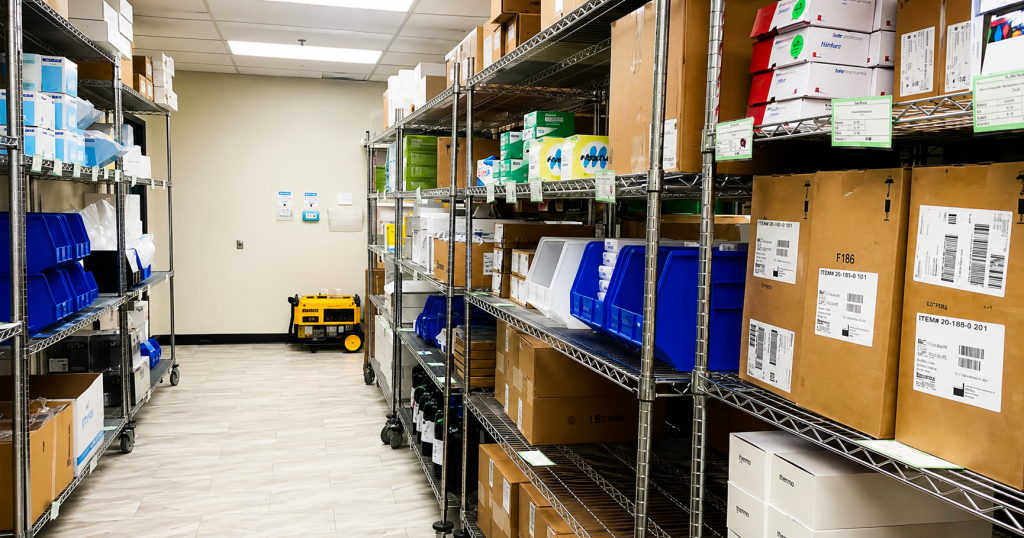
Lab with organized supplies in the storage area.
Inventory Management

Lab Inventory Management Software: Why Laboratories Need Better Inventory Control

For many laboratories, inventory management is one of those processes that works until it doesn’t. A reagent unexpectedly runs out. A box of supplies is discovered after it has already expired. Someone asks whether a replacement lot has been ordered, and nobody is quite sure. Staff start checking spreadsheets, emails, storage rooms, paper logs, or asking colleagues to piece together the answer. Individually, these may seem like small problems. But when they happen repeatedly, they consume staff time, increase costs, disrupt testing, and create unnecessary risk. These everyday challenges are exactly why lab inventory management software is becoming increasingly important for laboratories. The Problem With Manual Lab Inventory Tracking Consider some of the questions laboratory staff deal with regularly: What do we currently have in stock? What needs to be reordered? Which items are approaching expiration? Which lot should be used first? Is the new lot ready to be used? Are we purchasing more than we actually use? When this information lives in different spreadsheets, storage areas, emails, or paper records, getting a reliable answer can take time. More importantly, inaccurate lab inventory tracking can contribute to stock-outs, emergency orders, expired inventory, unnecessary purchasing, and testing disruptions. A laboratory inventory management system brings this information together so staff can see what is happening without searching through multiple sources Move From Reactive to Proactive Inventory Management One of the biggest advantages of lab inventory management software is helping laboratories identify problems before they affect operations. Instead of discovering an empty shelf when a reagent is needed, the laboratory can monitor inventory levels and identify low-stock supplies earlier. Expiration tracking provides similar protection. Knowing which reagents and consumables are approaching expiration gives staff time to use inventory appropriately, adjust purchasing, or take action before products become waste. Better visibility can help reduce last-minute ordering, overnight shipping costs, emergency borrowing, and avoidable testing delays. Reduce Reagent Waste and Control Inventory Costs Overstocking can be just as costly as running out. Without reliable usage information, laboratories may continue ordering the same quantities simply because that is how supplies have always been purchased. A good reagent inventory management system provides visibility into actual usage, purchasing patterns, expired inventory, and quantity on hand. Laboratories can use that data to make better decisions about reorder quantities, PAR levels, and purchasing frequency. The goal is simple: maintain enough inventory to support testing without tying up unnecessary budget in supplies that may eventually expire. Improve Lot Tracking and Laboratory Traceability Inventory management is not only about quantity. Laboratories also need to know which lots are available, when they were received, when they expire, and how they have been used. With digital reagent tracking and lot tracking, this information becomes part of the normal inventory workflow. If a recall, investigation, audit, or inspection occurs, staff can retrieve inventory history instead of reconstructing it from spreadsheets, binders, and emails. That creates better traceability while reducing the administrative burden on laboratory staff. Make Laboratory Inventory Easier to Manage The purpose of lab inventory management software is not simply to digitize a spreadsheet. It is to help laboratories gain control over the complete inventory lifecycle from receiving and reagent tracking to usage, expiration, ordering, and replenishment. When laboratory teams can quickly see what they have, what they need, what is expiring, and what they are actually using, inventory becomes more predictable and less reactive. For laboratories under constant pressure to improve efficiency, reduce waste, maintain traceability, and control costs, modernizing inventory management can make a measurable difference. And ultimately, laboratory staff should spend their time supporting testing and quality, not searching for supplies or updating spreadsheets.

Inventory Management

Laboratory Inventory Management Software: Take Control Without the Chaos

In today’s clinical and diagnostic laboratories, poor inventory management doesn’t just create inconvenience. It creates operational risk, financial waste, and compliance exposure.When labs rely on spreadsheets, paper logs, or disconnected systems, the results are predictable: stockouts that disrupt patient testing, expired reagents that increase waste, emergency orders that inflate costs, and last-minute scrambling during audits. Inventory becomes reactive instead of controlled. Modern laboratories need a laboratory inventory management system built specifically for how labs operate. Why Inventory Is a Critical Risk Area in Laboratories Manual inventory tracking creates operational blind spots: For laboratories, these inefficiencies scale quickly. Without centralized control, inventory costs rise while compliance confidence drops. A Lab-First Inventory Management Platform Lab Symplified delivers an end-to-end laboratory inventory management software solution designed exclusively for clinical laboratories.Unlike generic inventory tools, this platform tracks supplies from purchase to consumption, embedding lot traceability, expiration control, and audit documentation directly into daily workflows. 1. Reagent & Consumable Inventory Control Outcome: Never run out. Never overstock. Never guess. 2. Purchasing & Replenishment Workflows This ensures aligned ordering across departments while preventing duplicate purchases. 3. Multi-Location Inventory Transfers For health systems and reference labs managing multiple sites: No more fragmented tracking between locations. 4. Lot Qualification & Readiness Control Strong lot control is essential for patient safety. The system allows labs to: Only qualified lots reach patient testing. 5. Barcode-Driven Inventory Workflows Manual entry creates errors. Barcode-enabled workflows allow: Result: Faster workflows, improved inventory accuracy, and reduced human error. Audit-Ready Inventory Compliance Complete audit trails document receiving, usage, adjustments, and transfers. Lot-level and expiration-based traceability ensure labs remain inspection-ready without last-minute reconciliation. For labs preparing for CAP inspections, CLIA compliance reviews, or internal financial audits, this level of documentation is critical. Business Impact: What Labs Gain Laboratories implementing structured inventory management experience: Inventory shifts from reactive chaos to controlled, data-driven decision-making. Take control of lab inventory without the chaos. Replace spreadsheets and reactive ordering with a laboratory inventory management system built for real-world lab operations

Blog, Inventory Management

Manual vs. Digital Lab Inventory Management: What’s the Real Cost?

Manual lab inventory management might seem “free,” but that couldn’t be further from the truth. The time, waste, and risk involved in using spreadsheets, whiteboards, sticky notes, or Kanban boards come at a significant hidden cost. In this post, we break down the true costs of manual inventory systems vs. the savings and efficiency you can expect with a digital solution like Lab Symplified Lite. The Hidden Costs of Manual Inventory Let’s look at what manual lab inventory management is really costing your lab: 1. Wasted Staff Time Updating spreadsheets, sending emails, printing logs, and double-checking supply closets takes hours each week hours your staff could spend on testing or patient care. 2. Expired Reagents and Supplies Without expiration tracking, inventory often goes unused until it’s too late. Tossing just $2000/month in your entire lab expired supplies = $24,000/year in avoidable waste. 3. Duplicate Orders When teams operate in silos, ordering errors are bound to happen. A couple of duplicated orders a month can quietly inflate your budget. 4. Failed Audits or Inspection Prep Compliance penalties, audit stress, and reputational risk add up. Delayed validation, QC or missing  lot traceability record could lead to major consequences. The Benefits of Going Digital with Lab Symplified Lite Lab Symplified Lite is designed to give small-to-medium labs everything they need to take control of their inventory without the complex and costly solution. Enhanced Visibility Know exactly what’s in stock, where it is, and when it expires.  Automated Alerts Get notified when stock is low or items are nearing expiration, so you’re always ahead.  Proactive Compliance Maintain logs, assign tasks, track proficiency tests, and generate digital audit trails with ease.  Cost Savings By reducing waste and over-ordering, most labs see ROI within the first few months. Manual lab inventory management isn’t just inefficient—it’s expensive. Switching to a digital solution like Lab Symplified Lite saves you time, money, and compliance headaches. Ready to upgrade from spreadsheets? Sign up today and try Lab Symplified Lite free for 2 weeks  Start Your Free Trial

Inventory Management System For Labs
Inventory Management

Top 5 Signs Your Lab Has Outgrown Spreadsheets For Inventory Management

Spreadsheets are often the starting point for managing lab inventory. They’re free, familiar, and flexible until they start breaking down. If your lab is dealing with inventory surprises, delayed reorders, or failed audits, your spreadsheet may be doing more harm than good. Here are 5 clear signs it’s time to move beyond spreadsheets and upgrade to a smarter inventory management system built for labs. 1. You’re  Repeatedly Running Out of Stock  If your team is frequently scrambling for supplies, it’s a red flag. Spreadsheets can’t warn you in real-time when supplies are running low. Without automated alerts, you’re always reacting instead of planning. With Lab Symplified Lite Inventory Management System, you get proactive stock level alerts and par-level tracking to prevent stockouts before they happen. 2. Duplicate Orders Are Becoming Common Multiple team members managing a shared spreadsheet or submitting orders via email is a recipe for miscommunication. One click too many can lead to expensive duplicate purchases or unnecessary waste. Lab Symplified Lite Inventory Management System centralizes requests, tracks order status, and eliminates duplication saving both time and money. 3. You’re Throwing Away Expired Supplies Expired inventory isn’t just wasteful, it’s a compliance risk. Spreadsheets don’t send expiration warnings or maintain traceable lot histories. The result? Costly throwaways or, worse, usage of expired items. With Lab Symplified  Lite, you’ll get automated expiration tracking and real-time alerts, helping your lab stay compliant and efficient. 4. Quality Tasks Are Disorganized and Hard to Track Maintaining a reliable Quality Management System (QMS) requires clear records of lot numbers, expiration dates, validations doc, QC, and lot-to-lot testing. But in many labs, those records are buried in binders, paper logs, or scattered across files and folders. Worse yet, they often have no easy way to tell which lot is currently in use, which shipment is new, or whether the required QC was ever performed. This leads to confusion, missed validations, delayed QC, and disrupted workflows. Lab Symplified Lite brings order to the chaos. It allows you to: This not only improves day-to-day efficiency, but also makes your lab inspection-ready, supporting compliance with CAP, CLIA, or ISO standards. It’s a huge upgrade for labs trying to move from reactive to proactive quality management. 5. Inventory Audits Are Inconsistent and Untraceable Inventory audits are crucial to keeping supplies in check but most labs today still handle them manually. Tasks are often assigned to a small group, with no structured system to track when audits were last done, who completed them, or what was missed. Paper logs get lost. Excel files don’t trigger reminders. And without clear accountability, audits are delayed, rushed, or skipped leading to unexpected stockouts and compliance issues. Lab Symplified Lite changes that. With its built-in Inventory Auditing feature: This transforms inventory auditing from a chaotic chore to a streamlined, systematic process ensuring traceability, accountability, and timely completion. Spreadsheets served their purpose but when they start holding your lab back, it’s time for something better. Lab Symplified Lite is built specifically for labs like yours: Are you ready to ditch the spreadsheet chaos? Sign up today and get a month of Lab Symplified Lite for free; no commitment. Start Your Free Trial

Inventory Management

How to Master Lab Inventory Management: 5 Game-Changing Strategies

Laboratory inventory management can feel like an endless battle, constant reordering, missing supplies, and wasted reagents all lead to operational inefficiencies and unnecessary expenses. If your lab struggles with tracking supplies, maintaining organization, and preventing stockouts, you’re not alone. The good news? With the right strategies, you can transform your inventory process from chaotic to streamlined. In this guide, we’ll cover the five essential steps to conquering lab inventory, saving time, reducing waste, and ensuring compliance. Plus, we’ll explore how an inventory management system like Lab Symplified can take your inventory management to the next level. The Hidden Costs of Poor Lab Inventory Management Many labs still rely on outdated tracking methods, spreadsheets, paper logs, or verbal communication. These inefficiencies can lead to: If any of this sounds familiar, don’t worry, you can fix these issues with a structured approach. Let’s dive into the five key steps to optimize lab inventory management. Optimize Your Storage Space Problem: Many labs operate in cramped spaces, leading to cluttered storage and frequent ordering in small quantities. Solution: Step 2: Implement Smart Organization Strategies Problem: Disorganized storage leads to misplaced items, wasted time, and excess orderings. Solution: Step 3: Reduce Human Error with Simple Systems Problem: Manual tracking leads to forgotten log entries, miscounts, and lost supplies. Solution: Step 4: Gain Data Insights for Smarter Ordering Problem: Without real-time usage data, ordering decisions are based on guesswork Solution: Step 5: Standardize and Centralize Inventory Processes Problem: Inconsistent tracking across departments leads to confusion and miscommunication Solution: Why Manual Methods Aren’t Sustainable (and What to Do Instead) While spreadsheets and paper logs might work in the short term, they require constant effort and are prone to human error. Labs that switch to inventory management software see: ✅ 80-90% reduction in expired reagents ✅ Faster stock reconciliation (saving hours of manual work) ✅ Improved compliance and audit readiness. That’s where Lab Symplified comes in. Lab Symplified: The Smarter Way to Manage Lab Inventory Lab Symplified is an inventory management system designed specifically for laboratories. It helps you: ✅ Track inventory in real time with automated stock updates.✅ Receive low-stock alerts before running out of critical supplies.✅ Analyze usage trends to optimize ordering and reduce waste.✅ Keeps track of lot no. and expiration date.

Inforgraphic for blog
Inventory Management, Laboratory General

4 Ways Labs Manage their Inventory

Effective inventory management is crucial for laboratories, as it ensures that essential supplies and materials are readily available for experiments, tests, and procedures. Laboratories manage inventory through various methods, ranging from traditional manual tracking systems to more sophisticated software solutions. Proper inventory management helps prevent shortages that could disrupt research or clinical workflows, reduces waste by monitoring expiration dates, and enhances overall operational efficiency. By maintaining an accurate inventory, labs can make informed decisions about restocking and resource allocation, ultimately supporting their mission to deliver reliable results and maintain high standards of quality in their work. Manual Tracking Systems Many laboratories rely on manual tracking methods, such as: Card-Based Systems Several labs use card-based systems for inventory management: Collaborative Approaches Smaller labs often rely on team effort for inventory management: Software Systems Regardless of laboratory size or inventory volume, software systems offer significant advantages over traditional methods: Enhanced Visibility: Real-time tracking of inventory levels across multiple departments and locations. Improved Control: Automated reordering, lot and expiration date tracking, and usage analytics. Data-Driven Decisions: Generate reports on inventory turnover, usage patterns, and cost analysis. Reduced Errors: Minimize human error in counting and data entry. Time Efficiency: Automate routine tasks, freeing up staff for more critical duties. Scalability: Easily adapt to growing inventory needs without major system overhauls. By implementing a software-based inventory management system, laboratories can streamline operations, reduce costs, and improve overall efficiency. Lab Symplified advantage:

graphic2
Inventory Management

How Advanced Inventory Management Software Transforms Multi-Location Laboratories

The healthcare landscape is seeing a rise in multi-location laboratory networks, both within health systems and private diagnostic companies. This expansion offers distinct advantages like increased market reach and operational efficiency. However, managing inventory across multiple sites presents unique challenges. Here’s how proper inventory management software can empower multi-location laboratories to thrive: Unparalleled Visibility Imagine a single platform displaying real-time inventory data from all your labs. With advanced software, lab managers gain instant insights into stock levels, expiration dates, and usage patterns across each location. This eliminates endless manual checks and drastically reduces the risk of stockouts for critical supplies. This centralized view empowers informed decision-making, ensuring adequate stocking at every lab. Enhanced Resource Sharing Picture this: A crucial reagent runs low at one lab. Traditionally, this triggers a scramble – delays in testing while waiting for a borrowed reagent, a new order, or extra costs due to expedited shipping. Meanwhile, another lab might be sitting on an overstock of the same reagent, destined to expire before they are finished. Proper inventory management software eliminates this chaos. It provides real-time visibility into all your labs’ stock, allowing managers to efficiently identify surplus supplies and redistribute them. This optimizes inventory utilization, preventing stockouts and waste from expired materials and reducing unnecessary emergency purchases. Streamlined Order Management Imagine a single platform managing all orders from every lab location. This centralized control streamlines the entire procurement process. Order tracking and management become significantly more accessible, reducing administrative burden and ensuring timely restocking. Real-time notifications for low stock levels prevent disruptions and guarantee uninterrupted operations across all labs. Beyond Efficiency: The Bonus Points While streamlining operations is crucial, a robust inventory management software offers additional benefits: Enhanced Staff Productivity: Free up valuable lab staff time from tedious inventory tasks, allowing them to focus on core research and diagnostics. Investing in the Future Investing in advanced inventory management software isn’t just about cost savings; it’s about empowering your multi-location laboratory network to function at its peak. By enabling centralized monitoring, resource sharing, compliance adherence, and streamlined order management, these systems pave the way for increased operational efficiency, reduced costs, and, ultimately, a sharper focus on delivering high-quality diagnostic services to your patients.

Untitled-design
HLA Labs, Inventory Management

Overcoming Inventory Management Challenges in Molecular and Flow Cytometry Lab

Inventory management in molecular and flow cytometry laboratories presents unique challenges that demand careful consideration and strategic solutions. Most laboratories still use traditional spreadsheets to monitor and manage the inventory. However, these traditional methods have their limitations when it comes to visibility and traceability. These challenges can impede the efficiency of operations, compromise data integrity, and escalate operational costs. One prominent issue is the complexity of reagents and consumable tracking. Molecular and flow cytometry experiments often involve a multitude of specialized reagents, antibodies, and consumables. Most reagents have multiple sub-components that also need to be monitored individually for counts, expiration dates, qc dates, in-use dates, received dates, storage conditions, and usage history.  These tasks of managing all the information become intricate, requiring meticulous organization. Without a robust system, it becomes stressful, leading to inefficiency, errors, and inconsistency.  Additionally, the variability in the test scale poses a challenge. Laboratories may conduct tests ranging from small-scale studies to large-scale screening projects. This variability complicates inventory forecasting and planning. Overstocking or understocking can occur, affecting timelines and overall productivity. Striking the right balance demands foresight and adaptability in inventory management protocols. Moreover, traceability and data integrity are paramount in molecular labs. Maintaining accurate records of inventory transactions ensures transparency and aids in troubleshooting when discrepancies arise. Manual tracking systems are susceptible to errors, which underscores the need for integrated, automated inventory management solutions that seamlessly integrate with laboratory workflow.  Budget constraints are a universal concern, and molecular and flow cytometry laboratories are no exception. Typically, labs adopt reactive approaches rather than proactive ones in their supply ordering process. Manual inventory management methods make it challenging to capture data insights, leading to potential issues such as over-ordering or under-ordering of supplies. Implementing efficient inventory management tracking systems or software in labs can mitigate these challenges, reducing waste and providing better control over ordering processes. Molecular and flow cytometry laboratories face intricate challenges in inventory management, ranging from the complexity of reagent tracking to the need for scalable and adaptable systems. Overcoming these challenges requires a combination of technological solutions, streamlined procedures, and a commitment to data integrity. By addressing these issues, laboratories can enhance efficiency, reduce costs, and ultimately contribute to advancements in scientific research.

one centralized platform
Inventory Management

Top 5 Reasons to Implement Inventory Management Software in Your  Laboratory

Inventory management is an essential part of medical laboratory operations. The accuracy and efficiency of inventory management can significantly impact laboratory operations, including the availability of supplies, turnaround times, and the quality of patient care. Traditional inventory management methods can be time-consuming, error-prone, and inefficient. To address these challenges, medical laboratories are turning to cloud-based inventory management systems. In this article, we will explore the benefits of cloud-based inventory management systems for medical laboratories. In conclusion, cloud-based inventory management systems offer many benefits for medical laboratories. Real-time inventory tracking, streamlined inventory processes, centralized inventory control, improved accuracy, and cost savings are just a few of the advantages. As medical laboratories continue to face the challenges of managing inventory, cloud-based inventory management systems provide a valuable tool for improving inventory accuracy, reducing costs, and providing better patient care.

Scroll to Top